
Stairs and railings play an essential role in both the functionality and aesthetics of a building. Whether in a residential, commercial, or public space, stairs provide a means of vertical circulation while railings serve as a safety feature. When properly designed and installed, stairs and railings can enhance the overall appeal of a space while ensuring the safety of its occupants.
From classic wooden staircases to sleek metal railings, there are endless design possibilities when it comes to stairs and railings. The materials, colors, shapes, and styles can all be customized to suit the specific needs and design preferences of a project. In this article, we will explore the importance of stairs and railings in architectural design and discuss some key considerations to keep in mind when incorporating them into a space.
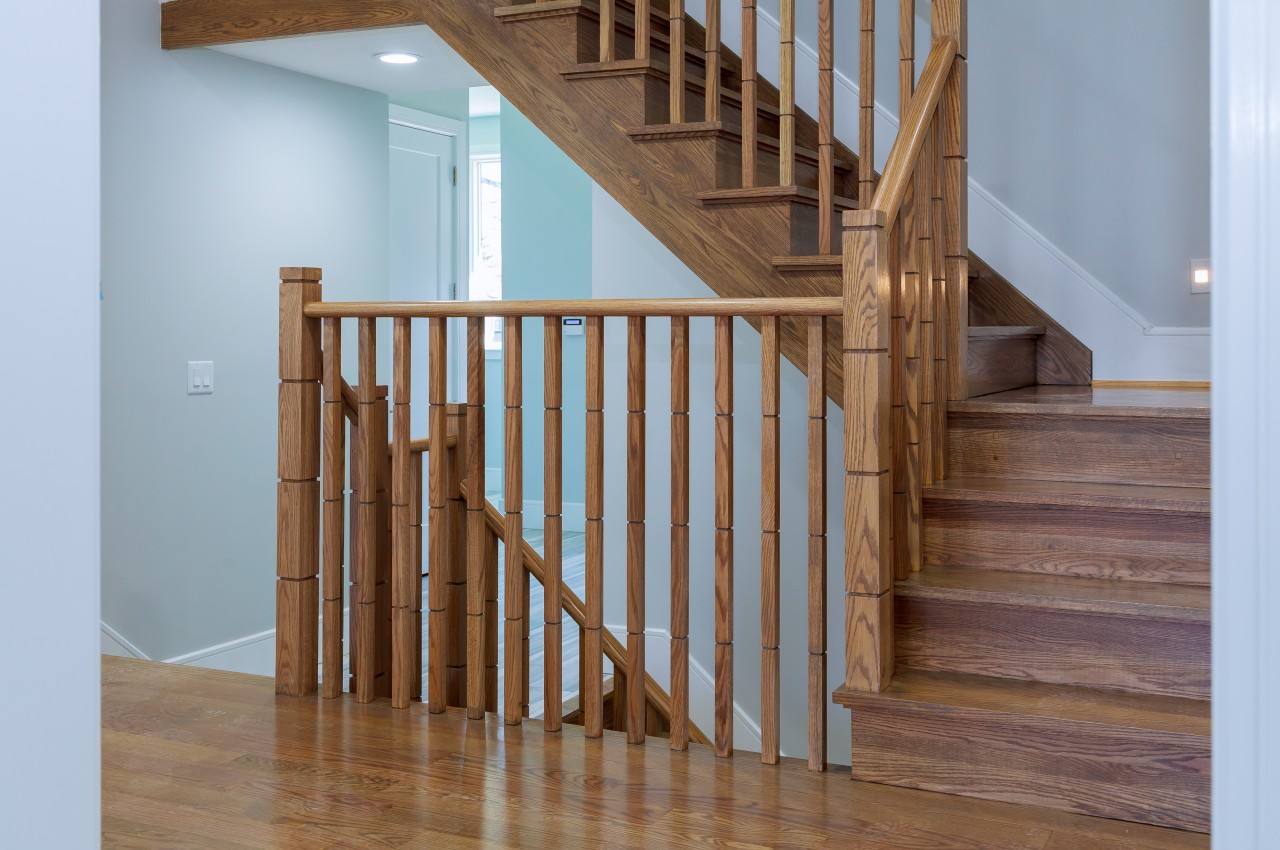
The Role of Stairs and Railings in Architectural Design
Stairs and railings are not just functional elements within a building; they also play a crucial role in the overall design aesthetic. The choice of materials, colors, and styles can greatly impact the look and feel of a space. For example, a modern glass railing can provide a sleek and contemporary touch, while a traditional wooden staircase adds warmth and character to a room. When stairs edmonon are thoughtfully designed, they can become focal points that enhance the entire architectural composition.
Key Considerations for Stairs and Railings
When incorporating stairs and railings into a project, there are several important factors to consider. Safety should always be a top priority, with railings designed to meet building codes and regulations. Additionally, the flow and layout of the staircase should be carefully planned to ensure smooth circulation throughout the space. By paying attention to details such as lighting, handrail design, and material selection, architects and designers can create stairs and railings that not only serve their practical purpose but also contribute to the overall design concept.
In conclusion, the design of stairs and railings is a crucial aspect of architectural design, blending functionality with aesthetics to create a harmonious and appealing space. By carefully selecting materials, colors, and styles, architects and designers can tailor stairs and railings to suit the specific needs and design goals of a project. Attention to safety considerations, building codes, circulation flow, lighting, handrail design, and material selection is essential in creating stairs and railings that not only serve their practical purpose but also enhance the overall architectural composition. Ultimately, well-designed stairs and railings can elevate the visual appeal and functionality of any space, making them integral components of architectural design.
Leave a Reply